Moth: A Decorative Typeface
There I was, holding a jar of beeswax candles, thinking about how to make the label feel just right. That’s when I remembered Moth—the decorative typeface that had been sitting in my design files for months. It wasn’t just another font; it was a way to give my handmade products a touch of whimsy and elegance.
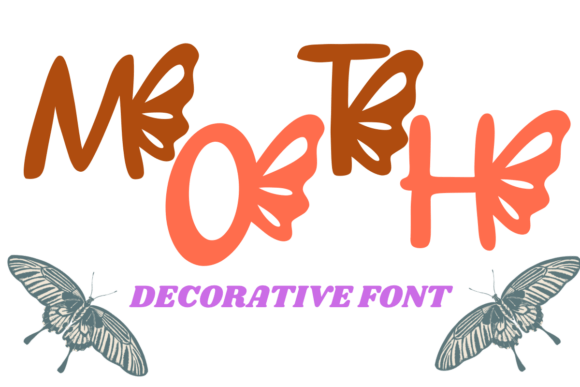
Moth is a playful decorative typeface where strokes bloom into delicate wing shapes. Its soft curves and bold silhouettes bring a sense of movement and charm to any project. Whether I’m working on candle labels, greeting cards, or printable wall art, Moth adds a unique personality that stands out without overwhelming the design.
I started by testing Moth on a simple candle label. The font’s flowing lines gave the text a lightness that matched the gentle scent of lavender and honey. I adjusted the spacing and size to fit the jar, and suddenly, the label felt like part of the product itself. It wasn’t just a label anymore—it was a statement.
Using Moth in Handmade Projects
One of the things I love about Moth is how versatile it is. It works well on small stickers, large signs, and everything in between. For a farmhouse sign, I used Moth to write “Welcome” in a cursive style, and it brought a warm, inviting feel to the design. The font’s subtle swashes and ligatures added a handcrafted quality that made the sign feel more personal.
When designing wedding invitations, I paired Moth with a clean sans serif font to balance the decorative elements. The result was elegant and cohesive. The names and dates stood out with a touch of flair, while the rest of the text remained easy to read. It was the perfect blend of style and functionality.
I also used Moth for printable wall art. The font’s artistic nature made it ideal for creating eye-catching quotes and sayings. I experimented with different color combinations and background textures, and each version felt fresh and original. The font’s ability to adapt to various styles made it a go-to choice for my digital downloads.
Designing for Different Mediums
Moth isn’t just for print. I’ve used it in social media graphics, website headers, and even on mugs and tote bags. The font’s visual appeal translates well across mediums, making it a valuable asset for any creative project. When I designed a custom mug, I chose Moth for the text to add a touch of sophistication that complemented the overall design.
For product tags and packaging, Moth brings a sense of quality and attention to detail. I often pair it with a simple serif font to create contrast and clarity. This combination works especially well for boutique packaging, where the font needs to be both decorative and readable.
When working with cutting machines like Cricut or Silhouette, I found that Moth’s intricate details can sometimes be challenging. To ensure the best results, I recommend using a simplified version of the font or adjusting the design to accommodate the machine’s limitations. Testing the font on small stickers first helps avoid any issues during production.
Pairing Moth with Other Fonts
Font pairing is an important part of any design project, and Moth pairs well with a variety of other fonts. For a modern look, I often combine it with a clean sans serif font. This creates a balanced composition that feels professional yet creative. For a more traditional feel, I might pair it with a simple serif font to add warmth and character.
When working on a project that requires a handwritten feel, I use Moth alongside a handwritten font. This combination gives the design a personal and authentic touch. It’s especially effective for greeting cards and invitations, where the tone of the message is as important as the design itself.
If I need a bold and dramatic effect, I pair Moth with a script or display font. This creates a striking visual impact that works well for logos, headlines, and promotional materials. The contrast between the two fonts adds depth and interest to the design.
Considerations for Commercial Use
Before using Moth for commercial projects, I always check the font’s licensing information. It’s important to understand what rights are included, especially if I’m selling physical products, printables, or digital downloads. Moth offers a range of file formats, including OTF and TTF, which makes it easy to integrate into different design workflows.
I also pay attention to the font’s multilingual support, especially if I’m creating content for international audiences. Moth includes a variety of characters and symbols, making it suitable for a wide range of languages and scripts. This flexibility is a big plus for anyone looking to expand their design options.
Overall, Moth has become an essential part of my design toolkit. Its unique style and versatility make it a great choice for a wide range of handmade and creative projects. Whether I’m designing labels, invitations, or digital templates, Moth adds a touch of creativity and personality that sets my work apart.