Honney Font: Fun & Casual Typography
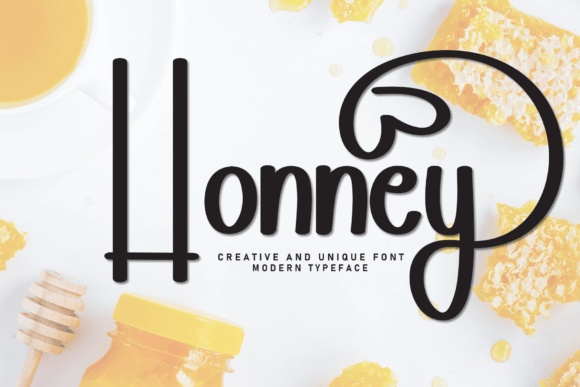
Honney is a display font that brings a relaxed, playful energy to editorial design. Its clean lines and casual charm make it ideal for content that aims to feel approachable and engaging. Whether you're designing a blog header or a printable guide, Honney adds a touch of personality without sacrificing readability.
As a script font, Honney balances fluidity with structure. It avoids the overly ornate look of traditional scripts, instead offering a modern, easygoing aesthetic. This makes it perfect for projects that require a friendly tone, such as lifestyle blogs, recipe ebooks, or wedding guides. The font’s natural flow supports visual hierarchy while maintaining a sense of warmth and accessibility.
Using Honney in Editorial Design
Honney excels in headings, subheadings, and pull quotes where a personal touch can enhance the reader experience. Its casual style works well for magazine covers, article titles, and section openers. When used thoughtfully, it can draw attention without overwhelming the layout.
For example, a lifestyle blog might use Honney for its main title, paired with a clean sans serif font for body text. This combination creates contrast while keeping the overall design cohesive. In an ebook, Honney could appear on chapter headings, giving each section a distinct yet harmonious look.
In newsletter graphics, Honney can be used for headlines or callout boxes. Its handwritten quality adds a human element, making the content feel more personal. For printable planners or worksheets, the font’s simplicity ensures clarity across different formats, whether viewed on screen or printed on paper.
Supporting Brand Identity and Reader Engagement
Honney contributes to a publication’s unique identity by reinforcing its visual tone. For a brand that wants to feel approachable and creative, this font can serve as a signature element. It helps establish a consistent look across various materials, from social media posts to packaging design.
When used in lead magnets or downloadable resources, Honney can make the content more inviting. A coaching workbook, for instance, might feature the font on its cover and in key sections, creating a unified aesthetic that aligns with the brand’s message.
The font’s versatility extends to digital magazines and online publications. Its legibility on screens makes it suitable for web design, while its soft curves add visual interest to page layouts. For print materials, Honney maintains clarity even at smaller sizes, ensuring it remains readable in brochures, flyers, and event invitations.
Pairing Honney with Other Fonts
To maximize Honney’s impact, consider pairing it with complementary typefaces. A serif font like Georgia or Playfair Display can provide contrast when used for body copy, balancing the script’s casual nature with a more formal tone. For captions or navigation elements, a sans serif like Open Sans or Lato offers a clean, modern counterpoint.
Font pairing also enhances readability. Using Honney for headings and a simpler font for body text ensures that the layout remains organized and easy to follow. This approach is especially useful in long-form content, where visual clarity is essential for keeping readers engaged.
When selecting fonts for editorial use, it’s important to check the available styles and features. Honney may include alternate characters, ligatures, or multilingual support, which can expand its usability across different projects. These details contribute to a more polished and professional final product.
Practical Considerations for Commercial Use
Honney is a premium font that can be used in a variety of commercial contexts, including ebooks, templates, printables, and paid newsletters. Before using it in a project, verify the licensing terms to ensure compliance with your intended use.
For independent content creators, the font offers a way to elevate their work without compromising on style. Whether designing a digital magazine or a printable planner, Honney adds a distinctive flair that sets the content apart. Its flexibility makes it a valuable addition to any designer’s toolkit.
Ultimately, Honney is more than just a font—it’s a design choice that reflects the tone and purpose of the content. By incorporating it into editorial layouts, brands can create a more engaging and visually appealing experience for their audience.